The Skills Gap Is Real, and It’s Shifting Faster Than We Thought
I want to start with something that keeps me up at night as an educator: the world is changing so quickly that the skills we taught five years ago might not open doors the way they used to. Last year, I watched a brilliant student graduate with honors in business analytics, only to discover that employers were looking for something slightly different. Not better, not worse, just different. She wasn’t alone. That experience stuck with me, which is why I spent time really digging into Coursera’s 2025 Global Skills Report.
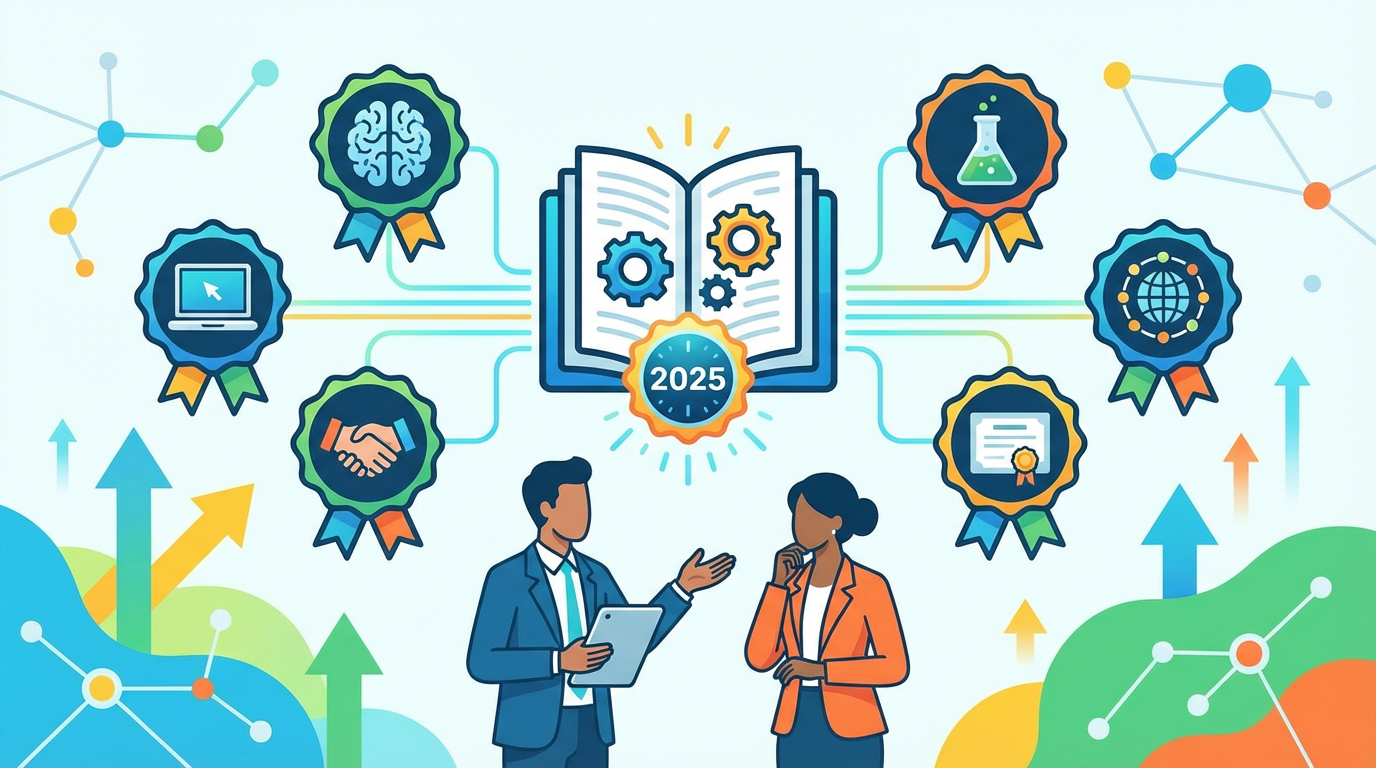
Here’s what the data shows, and I want you to sit with this for a moment. When researchers analyzed enrollment patterns across 148 million learners in over 100 countries, they found four skill categories absolutely exploding: AI literacy, data storytelling, cybersecurity fundamentals, and prompt engineering. Not business strategy. Not public speaking, though those still matter. The fastest-growing demand is in these four areas, which tells us something crucial about where employers are placing their bets right now.
The Coursera Global Skills Report 2025 is worth reading yourself because it gives us a window into what 148 million people worldwide are choosing to learn. That’s not a small sample. That’s the clearest signal we have about what the job market actually values, as opposed to what we might assume it values.
Here’s Where Credentials Actually Matter: The 34% Difference
Let me walk you through something concrete because I think this changes how we advise students. When someone completes a course on Coursera, that’s wonderful. But when they complete a course and earn an industry-recognized micro-credential, something measurable shifts. The data is striking: learners who earned at least one industry micro-credential saw a 34% higher job placement rate within six months compared to those who completed courses without credentials.
Think about what that means in real terms. I’m talking about the difference between a resume that ends with “completed online courses” versus one that says “earned Google Data Analytics Certificate” or “completed Cybersecurity Fundamentals micro-credential from IBM.” Employers see that credential, and they know something specific about what that person can actually do. It’s the difference between a completed assignment and a completed assignment that’s been professionally verified.
This is why I now advise every student I work with to think strategically about credentials. Not just pile them up randomly, but choose ones that align with the role they’re targeting. Google’s Career Certificates program, which runs through Coursera, has now surpassed 1 million completions as of June 2025. The top two certificates by completion volume were data analytics and project management. Why does that matter? Because employers aren’t just saying “we like credentials.” They’re saying “we like these specific credentials because we need people who can do these specific things.”
The Bigger Picture: Automation Is Coming, But So Are New Jobs
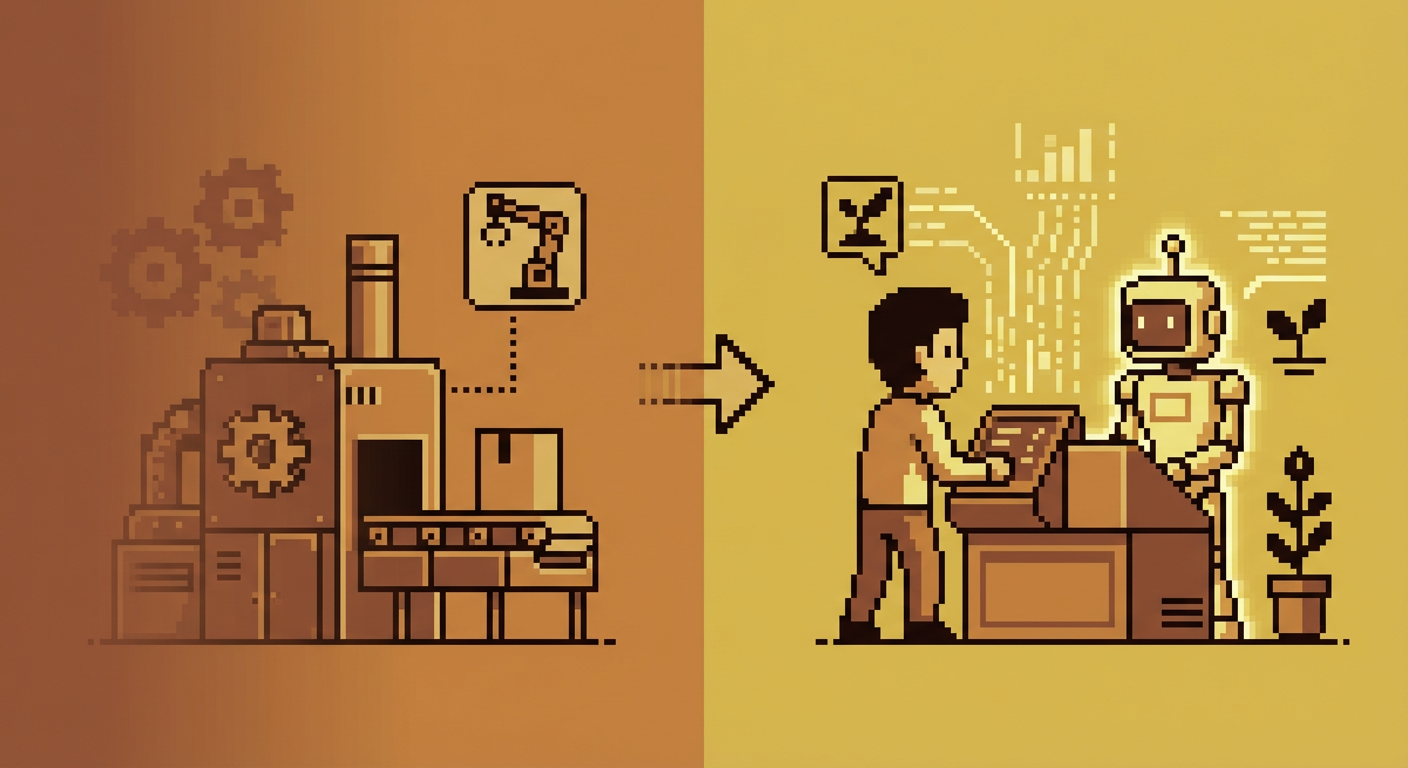
I need to be honest with you about something that concerns many students I talk to. They worry that automation is going to eliminate their career path entirely. The World Economic Forum Future of Jobs 2025 projects that 85 million jobs may be displaced by automation by 2027. That’s real. That’s significant. I won’t minimize it by pretending it’s not something to think about seriously.
But here’s what comes right after that statistic, and this is where I want you to direct your students’ focus: 97 million new roles requiring hybrid human-AI collaboration will emerge in the same period. The jobs aren’t disappearing. They’re transforming. And the people who will thrive in those new roles are the ones who understand how to work alongside AI, not against it, or in ignorance of it. That’s why those four skills I mentioned, AI literacy, data storytelling, cybersecurity fundamentals, and prompt engineering, are becoming the baseline. They’re not optional anymore. They’re table stakes.
When I explain this to students, I use an example they get immediately. A graphic designer doesn’t need to fear AI image generators if they understand prompt engineering and can use those tools to amplify their work. A project manager doesn’t need to worry about automation if they’ve developed data storytelling skills that help their team make better decisions faster. The people who are preparing now by building these skills are the ones who will be shaping the jobs of 2027 and beyond, not the ones displaced by them.
What Companies Are Actually Doing: The L&D Shift
I also want to show you something happening on the employer side that validates what we’re advising. According to LinkedIn’s 2025 Workplace Learning Report, 89% of corporate learning and development professionals said that proactively building employee skills to fill capability gaps was a top priority. That’s up from 74% in 2022. In just three years, we’ve gone from “this matters” to “this is urgent” across most organizations.
What does that mean practically? Companies are partnering with platforms like Coursera and edX. They’re investing real money and time into helping their existing workforce learn these new skills rather than replacing them. Your students who join a company as entry-level employees and commit to continuous learning will have more pathways forward than ever before. Organizations know they need people who can adapt. They’re willing to develop people who show they’re willing to learn.
What You Should Actually Tell Your Students Starting Today
So here’s what I’m doing with this information, and I’d encourage you to do the same. First, I’m helping students understand that one or two strategically chosen credentials matter more than a scattered collection of random courses. If they’re interested in data, that might mean the Google Data Analytics Certificate. If they’re in cybersecurity, it might mean foundational AWS or Cisco credentials. The point is making deliberate choices aligned with their actual career goals.
Second, I’m positioning AI literacy and prompt engineering not as optional nice-to-haves, but as fundamental skills, the same way email and spreadsheets used to be. I’m showing them concrete examples of how these skills apply in their field. For writers, it’s understanding prompt engineering to catch AI-generated content and improve their own work. For engineers, it’s understanding AI capabilities to scope realistic projects. For all of them, it’s data literacy and knowing how to tell stories with data.
Third, I’m having honest conversations about what skills are accelerating in demand right now versus what might plateau. That Coursera report gives us real data on this, not hunches. We can show students exactly what 148 million people worldwide are choosing to learn and ask them what that tells us about the future.
What’s your experience been with this shift? Are you noticing students gravitating toward these skill categories, or are they still pursuing more traditional paths? I’d love to hear what you’re seeing in your own sphere and how you’re advising students through this change.