When Marcus Taught Me About Hidden Strengths
Marcus sat in the back corner of my seventh-grade science class, consistently earning C’s and D’s on traditional tests despite being one of the most insightful contributors during our lab discussions. While his peers rushed through written assignments, Marcus would stare at his paper for long stretches, occasionally scribbling a few words before erasing them. The breakthrough came during our unit on ecosystems when I asked students to create a food web presentation. Marcus chose to build a three-dimensional model using recycled materials, complete with moving parts that demonstrated energy flow. His explanation was brilliant, detailed, and showed understanding that far exceeded what his test scores suggested.
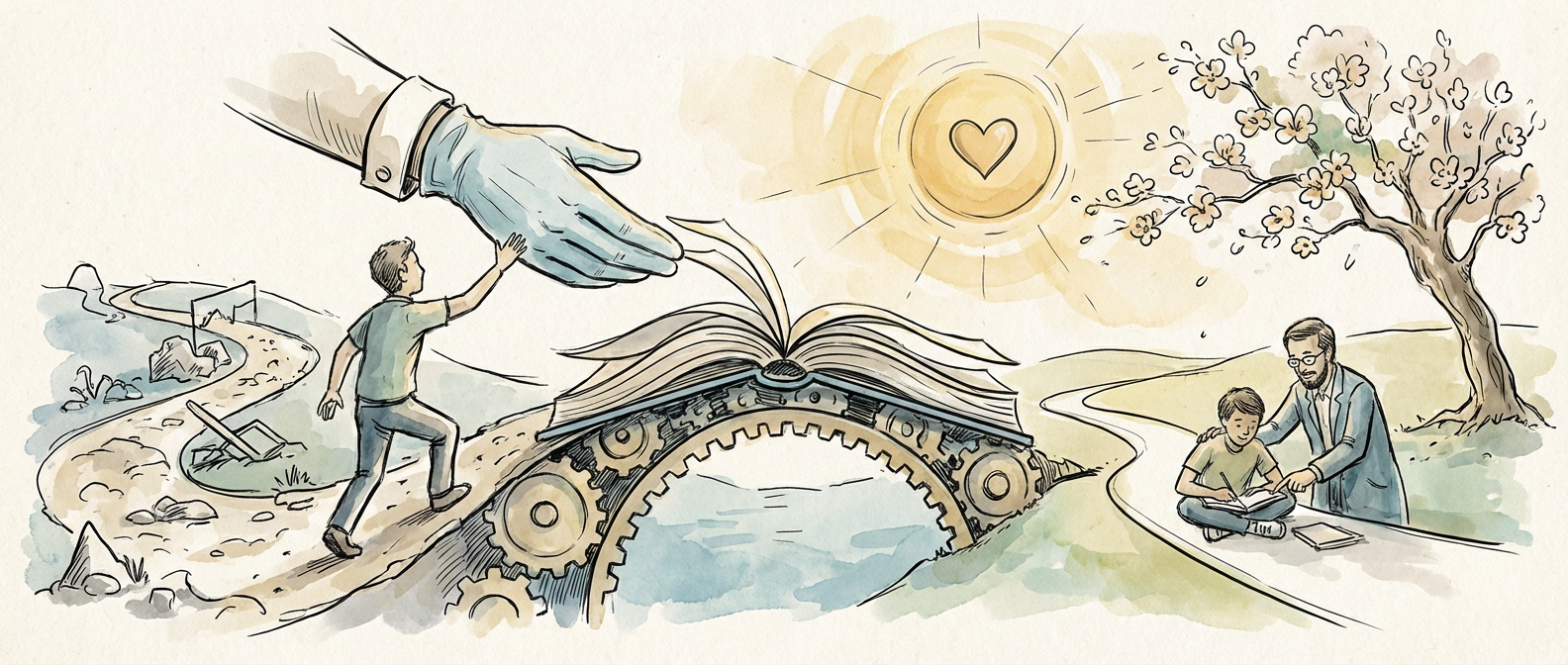
That moment changed everything for me as an educator. Marcus wasn’t a struggling learner. He was a learner whose strengths didn’t align with conventional assessment methods. His spatial intelligence and hands-on processing style were assets, not deficits, but our classroom systems hadn’t been designed to recognize them. This realization led me to fundamentally reconsider how we identify, support, and celebrate diverse learning approaches without creating stigmatizing labels.

The Language We Use Shapes the Reality We Create
The words we choose when discussing learning differences carry tremendous power in shaping student identity and self-perception. Terms like “struggling learner,” “below grade level,” or “intervention student” immediately position certain children as problems to be fixed rather than individuals with unique strengths and challenges. Think about how different it sounds to say: Maria processes information systematically and benefits from visual organizers. James thrives when he can move while learning and needs frequent processing breaks. Aisha demonstrates strong analytical thinking when given extended time to organize her thoughts.
This shift from deficit language to strength-based descriptions isn’t just semantic politeness. It fundamentally changes how students see themselves and how we design support systems. When I frame Marcus as “a student who demonstrates spatial-kinesthetic intelligence and learns best through hands-on exploration” rather than “a struggling reader with processing issues,” I open possibilities rather than close them. I signal to Marcus and his peers that different doesn’t mean less capable.
Teachers can model this language shift in daily interactions by highlighting specific strengths they observe. Instead of saying “Good job trying harder on this math problem,” try “I noticed how you used the visual diagram to work through that complex fraction problem. Your ability to connect pictures to numbers really helped you find the solution.” This specificity helps students recognize their own learning assets while building awareness of their effective strategies.
Building Flexible Support Systems That Work for Everyone
Effective support for diverse learners requires moving beyond the traditional model of pulling students out for remediation. Instead, we need inclusive classroom environments where multiple pathways to learning are the norm. Universal Design for Learning principles suggest that when we build flexibility into our initial lesson design, we reduce the need for separate interventions while supporting all students more effectively.
Here’s how this works in practice during a social studies unit on government structures. Rather than having all students write a traditional essay about separation of powers, I offer multiple ways to demonstrate understanding: create an infographic showing the relationships between branches, develop a role-play scenario illustrating checks and balances, record a podcast episode explaining the system to younger students, or design a flowchart mapping decision-making processes. Each option requires the same depth of content knowledge while allowing students to use their individual strengths.
The key is maintaining high expectations while providing varied supports. Sarah might need graphic organizers to structure her thinking, while David benefits from discussing ideas aloud with a peer before writing. Neither accommodation diminishes the academic rigor. Both simply provide different scaffolding to reach the same learning goals. When these supports are built into regular classroom routines rather than marked as special interventions, they become learning tools available to anyone who finds them helpful.
Technology can be incredibly helpful in creating these flexible systems. Text-to-speech software, collaborative digital platforms, and multimedia creation tools allow students to engage with content and demonstrate learning in ways that match their processing preferences. The goal isn’t to replace fundamental skills like reading and writing, but to provide alternative access points that support skill development while ensuring that learning challenges don’t prevent students from engaging with grade-level content.
Celebrating Growth and Building Learning Communities
Creating truly inclusive learning environments requires building classroom cultures where diverse approaches to learning are not just tolerated but celebrated as valuable contributions to the community’s collective knowledge. This begins with helping students understand that intelligence shows up in multiple ways and that everyone brings different cognitive assets to collaborative work.
One powerful strategy is making learning processes visible and varied. During math problem-solving sessions, I invite students to share different solution pathways on the board. I celebrate the student who solved algebraically, the one who drew a diagram, and the one who worked backward from the answer. I help the class see how these different approaches can inform and strengthen everyone’s understanding. When Keisha explains her visual method for organizing essay ideas, her classmates might discover a strategy that helps them too.
Regular reflection activities help students identify and articulate their own learning preferences while building appreciation for their peers’ diverse approaches. Monthly learning journals where students describe their most effective study strategies, biggest challenges, and successful problem-solving moments create opportunities for self-advocacy and peer support. These reflections inform my instructional decisions while helping students develop awareness of their learning processes.
Growth-focused feedback plays a crucial role in building learning communities where struggle is normalized as part of the learning process. Rather than comparing students to their peers or to arbitrary grade-level standards, I focus feedback on individual progress and strategy development. “I notice you’re using more detailed evidence in your arguments compared to your first essay” acknowledges growth while encouraging continued development. This approach helps students see challenges as temporary obstacles to overcome rather than fixed limitations.
Creating Systems That Support Student Self-Advocacy
The ultimate goal of supporting diverse learners without stigma is helping students develop the skills and confidence to advocate for their own learning needs. This requires explicitly teaching students about learning differences, helping them identify their own strengths and challenges, and providing them with language and strategies to communicate their needs effectively.
Student-led conferences provide excellent opportunities for developing self-advocacy skills. Rather than having teachers explain student progress to parents, I guide students in preparing presentations about their learning journey. I help them identify specific examples of growth, areas where they need continued support, and strategies that work best for them. When ten-year-old Emma can explain to her parents that she learns vocabulary best through movement games and needs quiet spaces for reading comprehension, she’s developing self-awareness that will serve her throughout her educational journey.
Teaching students about learning differences as natural human variation helps reduce stigma while building empathy. I share examples of successful individuals who learned differently, discuss how various professions benefit from different types of thinking, and help students see challenges as puzzles to solve rather than personal failings. When students understand that Albert Einstein thought in pictures, that Temple Grandin’s autism contributed to her innovative engineering solutions, and that Richard Branson credits his dyslexia for his entrepreneurial success, they begin to see learning differences as potential assets.
Supporting diverse learners without stigma isn’t about lowering expectations or creating separate tracks. It’s about recognizing that there are many pathways to learning and success, building classroom environments that honor this diversity, and helping all students discover and develop their unique strengths. What strategies have you found most effective for supporting diverse learners in your classroom or home? I’d love to hear your experiences and continue this conversation about creating more inclusive learning spaces where every student can thrive.